

آموزش زمان گذشته استمراری
توجه: صرف فعل To be در زمان گذشته ساده برای یاد گرفتن زمان گذشته استمرای لازم است .بنابراین ابتدا باید صرف فعل
در گذشته را بدانیم.
:در گذشته ساده عبارت است از: to be صرف فعل
|
جمع |
مفرد |
||
|
ما بودیم |
we were |
من بودم |
I was |
|
شما بودید |
You were |
تو بودی |
You were |
|
اوبود |
He was |
||
|
انها بودند |
They were |
او بود |
She was |
|
آن بود |
It was |
||
زمان گذشته استمراری:زمان گذشته استمراري در مورد عملي را نشان می دهد كه در گذشته براي مدتي انجام مي گرفته است تعریف
مثال:
I was watching TV at 5 oclock.
طرز ساختن زمان گذشته استمراری
فاعل=زمان گزشته استمراری + was(were) + ing قيد مناسب + مفعول + فعل همراه
مثال:
I was eating dinner.
They were washing the dishes.
در گذشته استمراری:To playصرف فعل
|
جمع |
مفرد |
||
|
ما در حال بازی بودیم |
we were playing |
من در حال بازی بودم |
I was playing |
|
شما در حال بازی بودید |
You were playing |
تو در حال بازی بودی |
You were playing |
|
او در حال بازی بود |
He was playing |
||
|
انها در حال بازی بودند |
They were playing |
او در حال بازی بود |
She was playing |
|
آن در حال بازی بود |
It was playing |
||
طرز سوالی و منفی کردن زمان گذشته استمراری:
برای سوالی کردن زمان گذشته استمراری جای was و wereرا با فاعل عوض می کنیم و برای منفی کردن بعد از آنها کلمه not را می آوریم.مثال:
Ali was helping his father.
Was Ali helping his father?
Ali was not helping his father.
They were having breakfast.
Were they having breakfast?
They were not having breakfast.
new words, معنی فارسی لغات زبان انگلیسی سال سوم راهنمایی درس 6
any هیچ،اصلا
baker's مغازه نانوایی
bank بانك
because زیرا
between بین
butcher's مغازه قصابی
center مركز
dirty كثیف
fish ماهی
fruit میوه
how چطور،چگونه
hungry گرسنه
onion پیاز
other دیگر
paper كاغذ
peach هلو
potato سیب زمینی
shopper خریدار
so بنابراین
vegetable سبزی
with(sb) با(كسی/شخصی)
and حرف ربط
sleep خوابیدن
have breakfast صبحانه
at this time همین موقع،در این زمان
on the way ... در راه
Why not? چرا نه؟
shopping center
مترادف لغات جدید زبان انگلیسی سال سوم راهنمایی درس 6
Any=not special one
Baker=a person who makes and sells bread and cakes
Bank=a place that keeps money safe for people
Because=for the reason that
Between=in the space in the middle of two things or people
butcher's =where a butcher works
Center=the part in the middle
Dirty=not clean
Fish=an animal that lives and breathes in water and uses its fins and tail for simming
Fruit=the part of a plant or tree that holds the seeds and that you can eat
How=in what way
Hungry=if you are hungry you want to eat
Onion=a round vegetable with a strong taste and smell
Other=as well as or difficult
Paper=thin material for writing on or for wrapping things in
Peach=a soft round fruit with yellow and red skin and large stone in the center
Potato=a round vegetable that grows under the ground ,that is white on the inside and brown or yellow on the outside
Shopper=a person who shops
So=because of this or that
Vegetable=plant grown for food to be eaten with the main part of a meal ,rather than with sweet things
With(sb)=a word that joins words or parts of sentences together
And=a word that joins words or parts of sentences together
Sleep=rest of sentences together
Have breakfast=eat breakfast
At the time
On the way
Why not
Shopping center
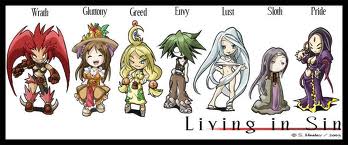
lust شهوت
gluttony شکم پرستی
greed حرص
sloth تنبلی
wrath غضب
envy حسادت
pride غرور

Seven heavenly virtues

chastity پاکدامنی
نیکوکاری charity
پشتکار diligence
صبر patience
مهربانی kindness
تواضع humility
The All-knowing
خداوندعليم
The Supreme Being
خداوندتبارك وتعالي
Omnipotent
قادرمطلق
Lord bless us
خداازسرتقصيرات مابگذرد
Godspeed
خدابهمراه
i love God
Like many other holidays, Valentine’s Day is thought to be of American origin; but—like many other holidays—it is not. Already in ancient Rome, people celebrated a similar holiday in the middle of February. It was Lupercalia, the festival of fertility.
The Valentine celebrations we know today probably originate in 14th-century England and France. We could indeed say that it was some kind of medieval »blind-date show« to which single men and women got together on 14 February. The women wrote their names on cards and put them into a box from which each man then picked a card. The woman whose name was on the card became the man’s sweetheart or “Valentine”, as February 14 is also the commemoration day of St. Valentine (therefore the day is called St. Valentine’s Day).
The date, in fact, is the only connection between the festival and the martyr St. Valentine, a Roman priest from the 3rd century. Valentine lived during the reign of Claudius II, who did not allow his soldiers to get married. Claudius believed that married soldiers would not make a good army, so when he found out that Valentine married young couples secretly, he had the priest arrested and sentenced to death.
Let’s leave martyrdom behind, however, and return to the more pleasant rites of our time. Valentine’s Day has become the festival of love—lovers surprise each other with little presents, flowers or a romantic dinner by candlelight. Sending special greeting cards on that day is also very popular. Valentines, as these cards are called, are sent to loved ones in order to win their hearts. If the sender doesn’t want to be recognized, the card is signed »Your Valentine
I am thankful for the husband who snores all night, because that means
he is healthy and alive at home asleep with me
********************************************************
خدا را شكر كه دختر نوجوانم هميشه از شستن ظرفها شاكي است.اين يعني او در خانه است و در خيابانها پرسه نمي زند.
I am thankful for my teenage daughter who is complaining about doing
dishes, because that means she is at home not on the street.
********************************************************
خدا را شكر كه ماليات مي پردازم اين يعني شغل و درآمدي دارم و بيكار نيستم.
I am thankful for the taxes that I pay , because it means that I am
employed.
********************************************************
خدا را شكر كه بايد ريخت و پاش هاي بعد از مهماني را جمع كنم. اين يعني در ميان دوستانم بودهام.
I am thankful for the mess to clean after a party , because it means
that I have been surrounded by friends.
********************************************************
خدا را شكر كه لباسهايم كمي برايم تنگ شده اند . اين يعني غذاي كافي براي خوردن دارم.
I am thankful for the clothes that a fit a little too snag , because it
means I have enough to eat.
********************************************************
خدا را شكر كه در پايان روز از خستگي از پا مي افتم.اين يعني توان سخت كار كردن را دارم.
I am thankful for weariness and aching muscles at the end of the day,
because it means I have been capable of working hard.
********************************************************
خدا را شكر كه بايد زمين را بشويم و پنجره ها را تميز كنم.اين يعني من خانهاي دارم.
I am thankful for a floor that needs mopping and windows that need
cleaning , because it means I have a home.
********************************************************
خدا را شكر كه در جائي دور جاي پارك پيدا كردم.اين يعني هم توان راه رفتن دارم و هم اتومبيلي براي سوار شدن.
I am thankful for the parking spot I find at the farend of the parking
lot, because it means I am capable of walking and that I have been
blessed with transportation
********************************************************
خدا را شكر كه سرو صداي همسايه ها را مي شنوم. اين يعني من توانائي شنيدن دارم.
I am thankful for the noise I have to bear from neighbors , because it
means that I can hear.
********************************************************
خدا را شكر كه اين همه شستني و اتو كردني دارم. اين يعني من لباس براي پوشيدن دارم.
I am thankful for the pile of laundry and ironing, because it means I
have clothes to wear.
********************************************************
خدا را شكر كه هر روز صبح بايد با زنگ ساعت بيدار شوم. اين يعني من هنوز زنده ام.
I am thankful for the alarm that goes off in the early morning house,
because it means that I am alive.
********************************************************
خدا را شكر كه گاهي اوقات بيمار مي شوم . اين يعني بياد آورم كه اغلب اوقات سالم هستم.
I am thankful for being sick once in a while , because it reminds me
that I am healthy most of the time
********************************************************
خدا را شكر كه خريد هداياي سال نو جيبم را خالي ميكند. اين يعني عزيزاني دارم كه ميتوانم برايشان هديه بخرم.
I am thankful for the becoming broke on shopping for new year , because
it means I have beloved ones to buy gifts for
خداراشكر...خدارا شكر...خدارا شكر


"I don't understand," he said. His Mom just hugged him and said, "And you never will."
Later the little boy asked his father, "Why does mother seem to cry for no reason?"
"All women cry for no reason," was all his dad could say.
The little boy grew up and became a man, still wondering why women cry.
Finally he put in a call to God. When God got on the phone, he asked, "God, why do women cry so easily?"
God said:
"When I made the woman she had to be special.
I made her shoulders strong enough to carry the weight of the world,
yet gentle enough to give comfort.
I gave her an inner strength to endure childbirth and the rejection that many times comes from her children.
I gave her a hardness that allows her to keep going when everyone else gives up, and take care of her family through sickness and fatigue without complaining.
I gave her the sensitivity to love her children under any and all circumstances, even when her child has hurt her very badly.
I gave her strength to carry her husband through his faults and fashioned her from his rib to protect his heart.
I gave her wisdom to know that a good husband never hurts his wife, but sometimes tests her strengths and her resolve to stand beside him unfalteringly.
And finally, I gave her a tear to shed. This is hers exclusively to use whenever it is needed."
"You see my son," said God, "the beauty of a woman is not in the clothes she wears, the figure that she carries, or the way she combs her hair.
The beauty of a woman must be seen in her eyes, because that is the doorway to her heart - the place where love resides."